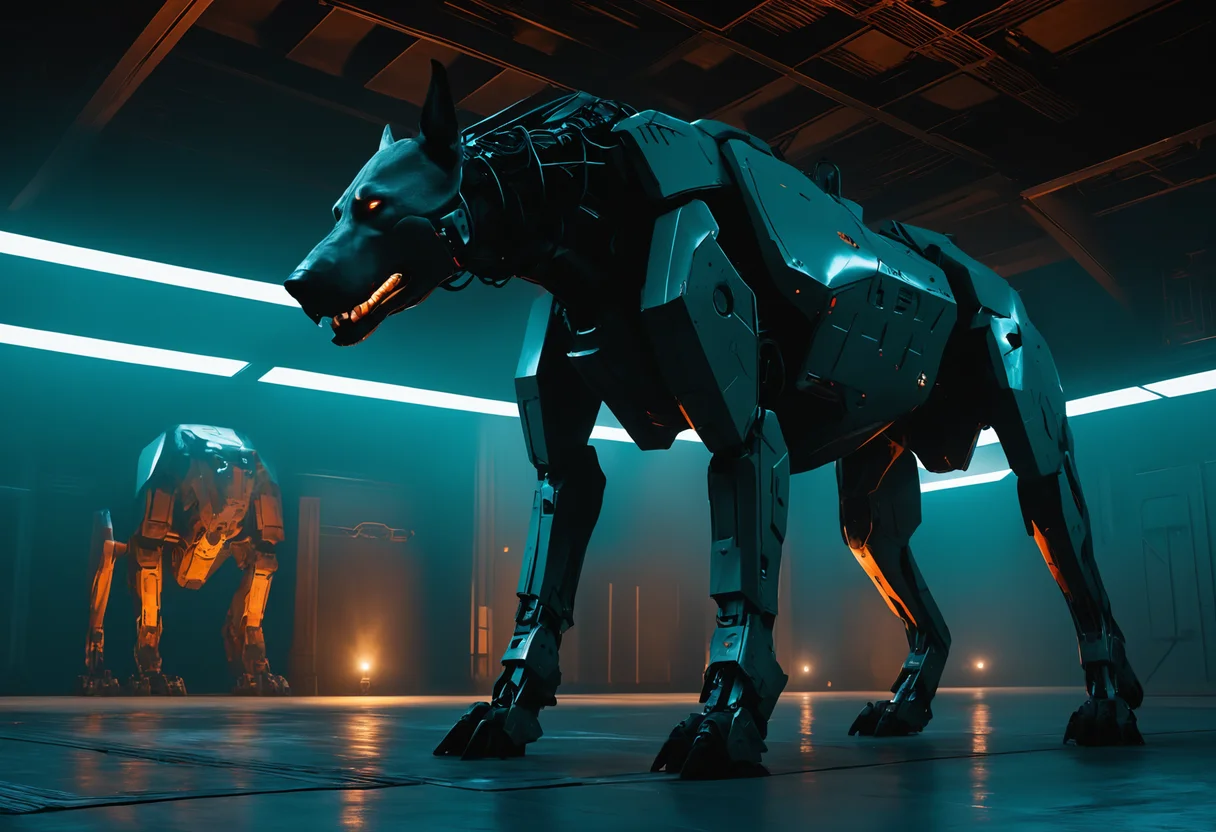
Warhound: genetically modified dogs for military and emergency missions
Warhound, a startup born from an idea by Ben Lamm of Colossal Biosciences and Palmer Luckey of Anduril, has announced its exit from stealth mode with $200 million in funding and a $1.2 billion valuation. The goal is to revolutionize the sector of working dogs for the military, law enforcement, and emergency teams through genetic engineering.
Quick Response
- Warhound uses genetic editing technologies to create dogs with characteristics optimized for dangerous missions
- The project aims to reduce dependence on European breeding, providing more resilient and performing dogs
- The first generation of cloned dogs will be ready for training within two years
The crisis of traditional breeding
Currently, over 80% of working dogs used by the U.S. military come from Europe, but less than half of these are suitable for active service. This creates a shortage situation that Warhound intends to solve through genetic engineering. The selected breeds are the Belgian Malinois and the German Shepherd, the top performers in military and security operations.
Genetic editing technologies
The company is developing dogs with genetically enhanced characteristics for health, longevity, speed, agility, and olfactory capabilities. The process involves creating a biobank with cell lines of the selected breeds, followed by genetic editing to enhance desired traits and remove unwanted ones, such as predispositions to diseases like cancer, hip dysplasia, or muscular atrophy.
Hardware and software integration
Anduril, Warhound's technology partner, will provide hardware and software solutions to enhance the dogs' performance. Among these are bulletproof vests with data sensors that transmit information to handlers, night vision goggles, and coordination systems to improve situational awareness. These devices aim to protect both the dogs and their human handlers during missions.
The role of Colossal Biosciences
Colossal Biosciences, known for its de-extinction efforts such as the dodo and the woolly mammoth, provides the foundational genetic technology. The company has developed an AI platform to accelerate cloning and genetic editing, technologies that will be used for the Warhound project. The first generation of cloned dogs is in the incubation phase and is expected to be born early next year.
Strategic partnerships
Viagen, another company controlled by Colossal, will collaborate with Warhound for dog cloning. Viagen's technology has a high success rate and is already used for conservation programs of endangered species. Additionally, Warhound works under the guidance of the American Humane Society to certify its training program and ensure the well-being of the dogs even after retirement from active service.
Implications for national security
The creation of genetically modified dogs could significantly reduce dependence on foreign breeding, improving national security. However, the project also raises questions about the control and management of these animals once they enter the civilian market. Warhound has already begun briefing various government groups to ensure its technologies comply with existing regulations.
For further insights into how artificial intelligence is revolutionizing genetic research, explore our guide.
Global market for working dogs and commercial opportunities
The global market for working dogs, valued at $3.2 billion in 2023, is in steady growth with a CAGR of 7.3% projected until 2030. Warhound enters a sector dominated by a few European suppliers, with significant potential to reduce the strategic dependence of the United States. The company aims to capture a relevant share of this market, with an initial focus on high-value sectors such as defense and law enforcement, where the operating costs of traditional dogs exceed $50,000 per trained unit.
Implications for emergency management and urban security
The advanced capabilities of Warhound dogs could revolutionize emergency management. With advanced sensors and genetic enhancements, these animals could be deployed in search and rescue scenarios, explosive management, and anti-terrorism operations. Cities could benefit from more efficient canine units, reducing response times in critical situations. Furthermore, integration with advanced urban security systems could create new standards for civil protection.
Ethical and regulatory challenges
The project raises important ethical questions regarding the creation of genetically modified animals. The company has initiated consultations with the American Veterinary Medical Association and the USDA to ensure compliance with national regulations. Additionally, the potential commercialization of these technologies may require new regulatory frameworks for genetically modified animals. The company is also exploring options for cyber insurance to cover any risks related to intellectual property and genetic data security.
Impact on the cloning and genetic editing industry
Warhound's success could accelerate the adoption of cloning and genetic editing technologies in other sectors. Viagen, Warhound's partner, could see increased demand for its cloning technologies, currently used for species conservation. Additionally, Colossal Biosciences' AI platform could find applications in sectors such as agriculture and veterinary medicine. The company is already exploring collaborations with research institutes to expand the use of its technology.
Future prospects and market development
Warhound plans to expand its operations beyond working dogs, exploring applications in sectors such as veterinary medicine and scientific research. The company is evaluating the possibility of creating dog lines with specific characteristics for animal-assisted therapy or medical research. Furthermore, integration with zero trust architecture for genetic data security could open new market opportunities.
Frequently Asked Questions
What is the estimated cost of a Warhound dog?
Warhound has not yet made the exact price public, but costs are estimated to exceed $50,000 per unit, considering training and integrated technologies.
How will the dogs be managed after retirement from active service?
Warhound collaborates with the American Humane Society to ensure that retired dogs are placed in adoption or rehabilitation programs, guaranteeing them a dignified life post-service.
What are the main technological challenges for Warhound?
The main challenges include optimizing cloning processes, integrating advanced hardware and software, and managing ethical and regulatory issues related to genetically modified animals.
a future of advanced working dogs
Warhound represents a significant step toward innovation in the working dogs sector, combining advanced biotechnology with hardware and software solutions. If the project is successful, it could reduce dependence on European breeding and establish new standards for security and operational efficiency. However, ethical and regulatory challenges remain significant, and the company will need to navigate these issues carefully to ensure widespread adoption of its technologies. The working dogs market is ready for a revolution, and Warhound is at the forefront of this change.
Editorial Note and Disclaimer
The guides and content published on GoYou are the result of independent research and analysis activities, for informational, educational, and in-depth purposes.
GoYou does not constitute a journalistic publication or an editorial product under Law No. 62/2001 and does not provide real-time information.
The GoYou project does not provide professional, technical, legal, or financial advice and disclaims all liability for the improper use of the information published.
In the Crypto sector, every investment involves risks: readers are invited to always inform themselves autonomously before making any decision.